Commercial scenario
Office building thermal upgrade
Mid-century office stock across this corridor is still carrying original aluminum frames with no thermal break. The retrofit case is usually condensation and comfort before it is energy.
Request a QuoteScope at a glance
- Buyer
- Building engineer, asset manager, or developer
- Scope driver
- Existing frame condition and measured thermal performance
- Typical units
- Fixed lights with limited operable vents for tenant control
- Code focus
- U-factor and SHGC compliance for the alteration scope
This page describes a representative scope for this project type. It is not a claim about a specific completed job, and no client, address, or date is implied.
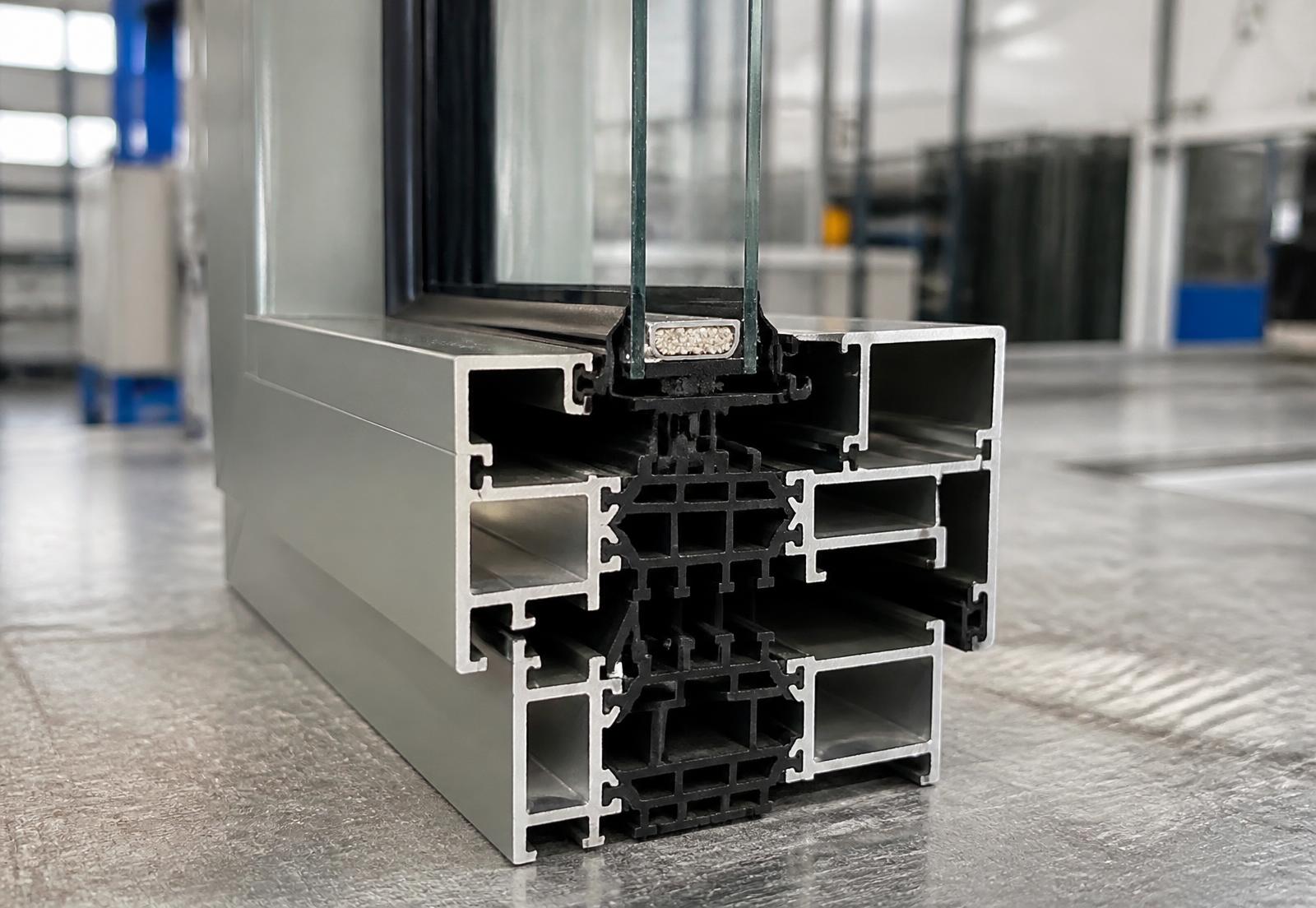
Why the frame, not just the glass
Reglazing an existing frame changes the center-of-glass number and leaves the frame conducting exactly as before. On an old aluminum frame, that frame is often the coldest interior surface in the building, so the condensation complaint survives the glass upgrade.
Replacing the whole assembly with a thermally broken frame and a sealed insulated unit moves the interior surface temperature enough to change how the perimeter zone behaves in winter.
Tenant-occupied constraints
Occupied office floors set the same daily close-out rule as multi-family: openings are closed the day they are opened. Work is staged floor by floor or bay by bay with the tenant's operating hours defining the working window, and interior finishes at the sill and jamb are protected and restored as part of the unit price.
Scope your version of this
Every project differs in opening count, condition, and timing. The quote form takes it from there.